Welcome pilgrims, your guide, An Enigmatic Indian, here to unravel a trek that’ll rattle your soul, the Spiritual journey of Kedarnath Yatra 2025 in monsoon. This is not just a hike but it is 16 km of Himalayan grit, chasing Shiva’s monsoon magic through rain-soaked trails and cloud-kissed peaks. Imagine ancient stones dripping wet, “Har Har Mahadev” echoing through the mist, and a temple glowing like a beacon at 3,583 meters. May to September flips Kedarnath into a wild enigma with fewer pilgrims, raw vibes, and a spiritual buzz that hits you square in the chest. I’m your guide through every muddy step, every whispered tale, and every jaw-dropping view. Devotee, trekker, or mystery-chaser, this journey of An Enigmatic Trek to Himalayas is calling you. Stick with us, we’re diving into Shiva’s realm.

Key Takeaways
- Rain’s Magic: Monsoon fuels the yatra making it wet, wild and divine.
- Gear Up: Waterproofs, grip shoes or you’re done.
- Start Early: Dawn dodges downpours, time it right.
- Feel It: Myths, chants, views, let it sink in.
- Stay Sharp: Permits, weather, trails, prep’s your edge.
- Chant It: “Har Har Mahadev” aren’t just words but trek’s heartbeat.
Location
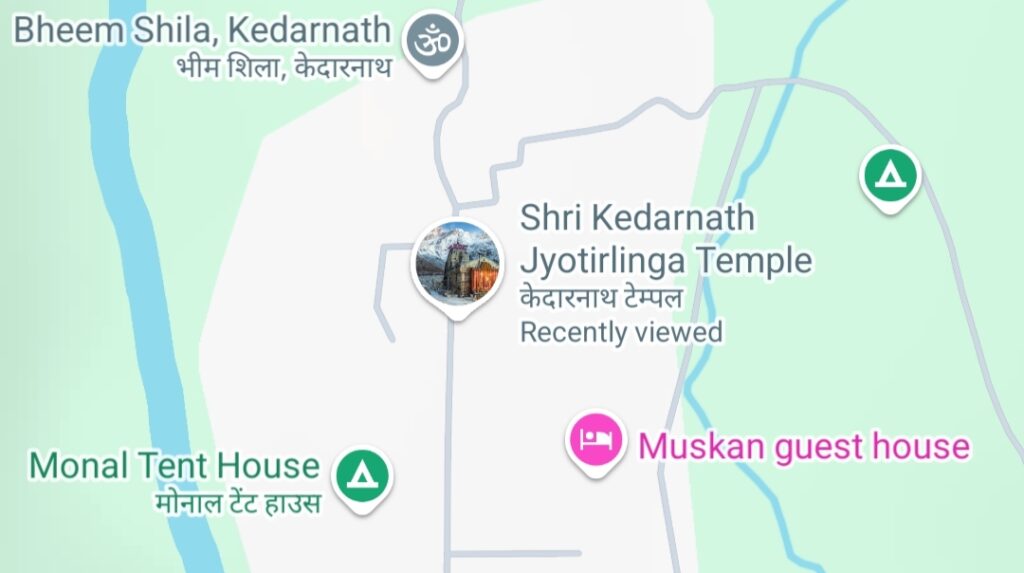
Kedarnath sits high at 3,583 meters in Uttarakhand’s Garhwal Himalayan range, a sacred speck hugged by jagged peaks and the Mandakini River’s roar. It is 223 km from Rishikesh serving as a gateway to this high altitude riddle. Monsoon transforms it, lush greens blanket the slopes, fog swirls like a divine shroud and rain-fed streams crash through the valley. Gaurikund, 16 km down, is your starting line as hot springs bubble there, teasing the earth’s heat. The snowy giants like Kedar Dome tower above and the temple feels cut off from the world. This is not just a dot on a map, it is where faith meets fury, a wet, wild secret begging you to explore.
Scenic View
The trek to Kedarnath in monsoon and your eyes will feast. The mighty peaks stab through gray mist, waterfalls roar like Shiva’s laughter and the temple shines wet against rugged cliffs. The 16 km from Gaurikund unfolds emerald meadows, the Mandakini raging like silver and pine slopes draped in fog. Hit Gandhi Sarovar 4 km up and catch clouds mirrored in still water or climb Bhairavnath for a 360° soak of Himalayan glory. The rain cranks the drama, every turn is a gasp, every vista a prayer. The air bites crisp and silence hums between raindrops. This is Shiva’s canvas, raw, wet and alive.
Historical Significance
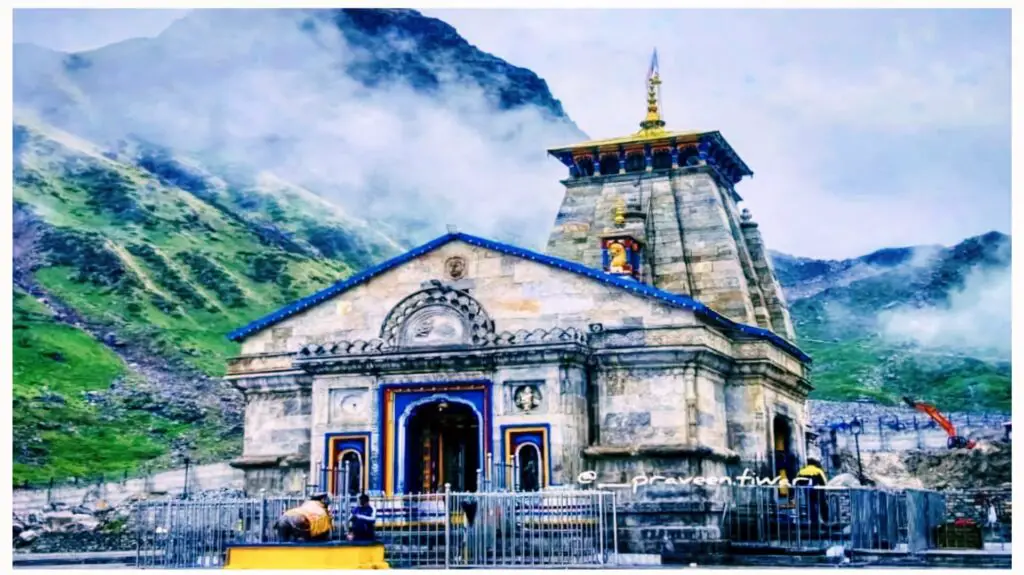
The roots of Kedarnath run deep, legend says, Pandavas built this temple post Mahabharata, pleading Shiva’s mercy for their war stained souls. The historians peg it to the 8th century, when Adi Shankaracharya breathed new life into it, maybe leaving his samadhi nearby. This stone survivor faced floods in 2013 deluge left scars, but stands unbowed. The monsoon soaks its granite slabs, amplifying an aura of grit and grace. The temple built to defy the elements, a testament to ancient hands and undying faith. Each and every wet crack whispers survival, every stone tells a story of time. It is not just history, it’s a living enigma, pulling you in.
Cultural Significance
India’s spiritual pulse beats here in Kedarnath. The yatra’s pilgrimage etched in tradition, promising moksha to those who brave it. Monsoon strips it raw with fewer crowds let you hear, sadhus chant “Har Har Mahadev,” see priests light lamps in drizzle and feel pilgrim’s quiet resolve through mud. The locals call it Shiva’s abode, a Char Dham cornerstone. The rain does not pause the rituals, the dawn aartis glow fierce against wet stone, blending chaos and calm. You will spot ascetics sharing chai with trekkers, culture here is unpolished and alive. It’s the faith crashing into nature’s fury, a vibe you can’t fake. The myths fuel this fire, let’s dive in.
Myths
Kedarnath tales are wilder than monsoon storms. Some says that Pandavas hunted Shiva here, he dodged as a bull, diving underground. Bhima snagged its tail and the lingam rose, eternal in stone. Some claims Yudhishthira ascended to heaven from Gandhi Sarovar, his footsteps lost in mist. The locals swear that Bhairavnath guards the valley, his shrine is a nod to that lore. The rain makes it real, clouds feel like Shiva’s cloak and waterfalls his pulse. These are not just stories, but they are the yatra’s heartbeat, alive in every soaked step.
Spiritual Secrets
Kedarnath got a hush you can’t shake, rain on stone, chants slicing fog, a sadhu’s stare that pierces you. The locals say each muddy mile scrubs your karma, the trek is a quiet purge. Stand at the temple at dawn dripping, still and experience Lord Shiva there, heavy and real. The Bhairavnath’s shrine whispers protection, some hear the lingam hum if they listen close. Monsoon thins the noise just you, nature, and spirit colliding. A pilgrim told us, “Rain’s Shiva testing you pass and you are his.” It’s not loud faith, it’s raw, enigmatic and soul deep. How do you reach this magic? Let’s map it out.
Route Map
The yatra’s path is clear but fierce:
Start: Haridwar/Rishikesh → Sonprayag (200-223 km drive).
Base: Sonprayag → Gaurikund (8 km shuttle).
Trek: Gaurikund → Kedarnath (16 km uphill).
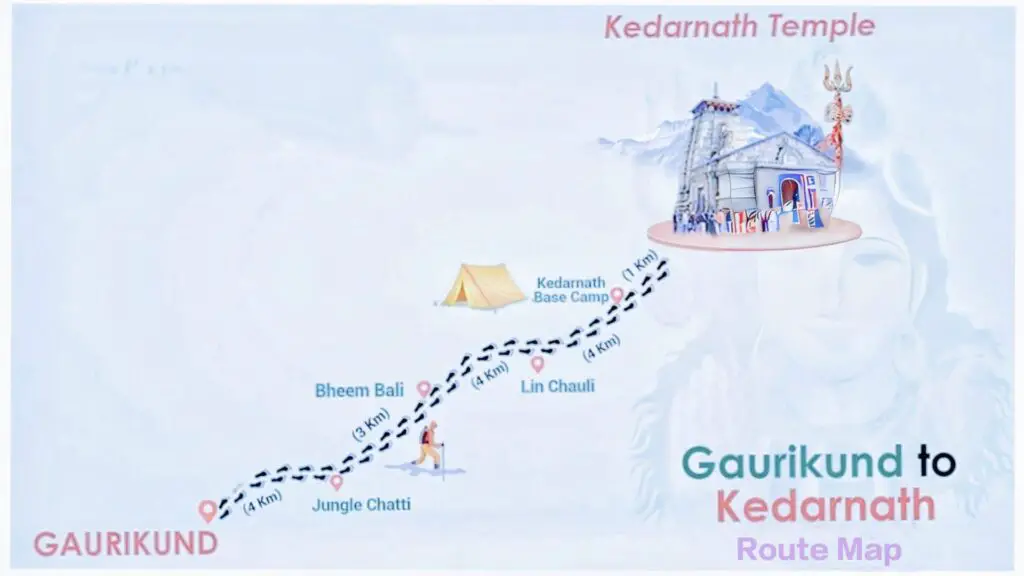
Monsoon muddies it, steep trails, swollen streams, but markers guide you. Helicopter is an option available from Phata to Kedarnath, 20 mins ride, if rain lets it fly. Offline maps are gold when signals vanish. It’s relentless but not complex, just real. Roads up next.
Road Connectivity
Roads to Kedarnath are a monsoon roulette. NH7 from Rishikesh to Sonprayag (200-223 km) is paved but tight with landslides spike in June-July. Buses (Rs 500-800) or taxis (Rs 3,000-5,000) take 8-10 hours, weaving wet curves. Sonprayag to Gaurikund (8 km) is a quick shuttle then cars quit. August-September eases the chaos, but check IMD as rocks don’t play. Gaurikund’s your last wheel stop, after, it’s you and the trail. How to get there, Keep reading.
How to Reach
- Road: Haridwar/Rishikesh to Sonprayag – take buses (Rs 500-800) or cabs (Rs 3,000-5,000), 8-10 hours. Shuttle to Gaurikund (Rs 50).
- Air: Jolly Grant Airport (Dehradun, 239 km), then cab.
- Rail: Haridwar station, then bus or taxi from there.
- Trek: Gaurikund to Kedarnath 16 km, 6-8 hours. Ponies (Rs 1,500-2,000) or palkis (Rs 4,000) if you’re spent.
- Helicopter: Phata/Sirsi to Kedarnath (Rs 7,000-10,000 round trip) fast but dicey in rain.
Pro Tip: Dawn beats the deluge, plan tight.
Facilities
Stay: Gaurikund lodges (Rs 500-1,000 per night), Kedarnath has GMVN dorms (Rs 300), tents (Rs 500), or guesthouses.
Food: Dhabas sling dal-roti (Rs100 per meal), tea stalls save you on the trek.
Amenities: Toilets at Gaurikund and Kedarnath, medical posts at Sonprayag. Power’s iffy, pack a torch.
Monsoon slims it down, book early or sleep wet. Basic but real obstacles ahead.
Mandatory Requisite
- Grab a Yatra Registration, it’s free, mandatory and tracks pilgrims for safety.
- Register online at gmvnonline.com or hit counters at Sonprayag/Gaurikund.
- Remember, No permit means no yatra.
- Carry a Photo ID card as it is required for registration and cops check it during yatra.
- Medical fitness isn’t forced, but a health certificate from a doctor.
- Waterproof backpack, Trekking shoes, Raincoat, Quick-dry clothes, Torch/headlamp, Light First-aid kit especially bandages and painkillers etc.
- If you’re chopper-bound, book flight in advance via authorized sites like heliyatra.irctc.co.in.
Obstacles During Yatra
Monsoon a beast, trails turn to shin deep mud, ponies slip and you are gripping rocks. The landslides block paths (June-July’s brutal), check alerts or wait. The high altitude (3,583 m) steals breath, try slow climbs, cold nights (5°C). The rain swells streams, cross quick or stall. The fewer pilgrims ease it, but Gaurikund bottlenecks bite. It’s Shiva’s test and the grit wins.
Conclusion
An Enigmatic Trek to Himalayas: Chasing Shiva’s Monsoon Magic Kedarnath Yatra is not just a trek, it’s a pilgrimage into India’s wild, wet heart. Monsoon 2025 will test you, soak you and leave you chanting “Har Har Mahadev” under your breath. At An Enigmatic Indian, we don’t do ordinary, Kedarnath is a riddle of faith and fury and I’m hooked. Been there? Planning it? Drop your story below, we all ears. Pilgrims let’s make this yatra a mystery worth chasing. See you on the trail, Lord Shiva waiting.
Frequently Asked Questions (FAQ)
1. Is Kedarnath Yatra safe in monsoon?
Yes, if you’re smart enough to avoid flood zones, trek with a buddy, check forecasts. 2013 scars linger, but routes are safer now.
2. Best month for the yatra?
August rain’s gentler, trails still green. June-July’s intense if you crave the full monsoon hit.
3. Can I do it solo?
Stick to daylight, tell someone your plan, and skip risky detours.
4. Helicopter or trek?
Trek for the soul, chopper (20 mins) for speed. Monsoon flights cancel often, so plan a buffer day.
5. What’s the vibe like?
Spiritual chaos, sadhus chanting, rain pounding, peaks watching. Pure enigma.